Table of Content
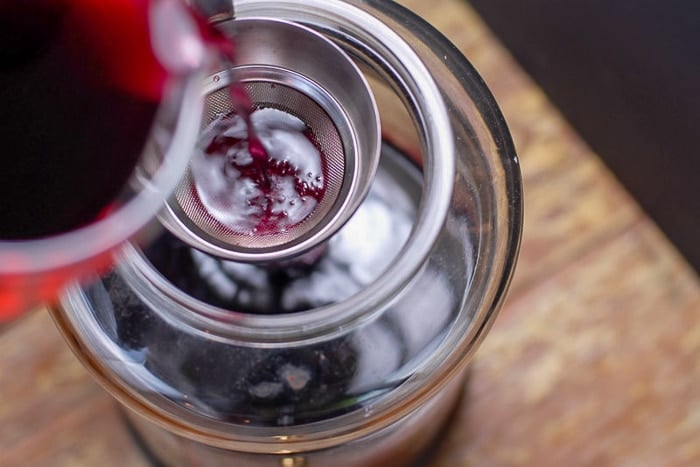
Siphon the wine into a carboy in a careful manner, so as to leave the sediment behind. You can easily remove the pulp by lifting out the fermentation bag. Siphon the wine off the sediment without stirring it up.
You will sulfite after completion of malolactic fermentation in this case. If you smell even the slightest bit of acetic acid , or acetaldehyde this can indicate an underfed yeast, or too much oxygen exposure. This is a little more rare during active fermentation but something to watch for, especially as the fermentation slows down.
How to Make Wine
When making wine from grapes, we recommend removing the seeds, or avoid the stress on them since high amounts of tannins are released. Therefore, it increases the bitterness of the wine. Finally, wash your hands well before handling fruit or containers for the fermentation of wine.
Alternatively, if you would like to save a little time, you can siphon the brew directly into a glass gallon jug and allow it to brew right in the jug. This is the method I use, and I even have two jugs so that I don’t have to allow my brew to sit out too long exposed to the air. Snap the lid back onto the bucket, and add the freshly sanitized airlock back to the lid. Within a few hours, you should see some bubbling activity in the airlock. The signals of fermentations are presented between 24 to 48 hours.
How Long Does It Take To Make Grape Wine?
Web This easy homemade wine recipe only uses 3 ingre... Wine Making How to make homemade wine from store bought juice.Making wine at home could NOT be easier. Add approximately 6.5 grams of egg whites per gallon of wine using a metered food syringe. Once you’ve done that, give the wine a thorough shake—the alcohol and acid in the wine will take care of any salmonella—and leave for one day. Lactic acid creates a softer, rounder, fuller, almost creamy, and even buttery mouthfeel and it will balance out the astringency and acidity of the wine.
Once the grapes are harvested, they are crushed and the juice is extracted. The juice is then fermented in barrels or tanks for a period of weeks or months. After fermentation, the wine is aged in barrels for a period of months or years.
Step 8: Bottling
We brought home a couple of bags, just enough to make a gallon-batch of wine and to eat a few of them raw. They were very tasty even though they weren’t quite ripe enough. I allowed them to sit on my table, spread apart on linen napkins so they wouldn’t mold.

Sugar produced by fruit and water are both fermentable sugars. It is also important to understand that you can over-process the produce. Food processors, blenders and such should not be used for this purpose. Doing so will cause too much bitterness from the skin and seeds of the produce to be incorporated into the resulting wine. You also need to stir your red wine or “punch down” everyday as needed.
To see results, allow the juice to ferment for another 4-6 weeks or until completely clear. Danny’s Wine and Beer has everything you need to create great homemade wine at an unbelievable value, and it’s located right here in our store. We’ll go over all the ingredients needed for making wine at home, beginning with yeast, fruit-based Fermentable Sugar, and finishing with time. You can always make wine at our site if you are still feeling intimidated or unable to commit to the time. Wine, which is made from fruit-based sugar, is made from the fermentation process. It is usually not difficult to ferment fruit-based sugars.
Open your package of yeast and sprinkle it onto the surface of the liquid. When sugar is transformed into alcohol, the SG reduces its value, and the gravity will fall. The typical yield of a yeast packet is a production of up to 5 gallons per batch, although due to genetic factors of the strains, they could have more per package. Harvesting is done as soon as the grapes are ripe, and they change in color and flavor as they near full maturity. Using a clay pot is also an option if you want a more traditional way. Ceramic and other standard tight lid containers can also be a substitute.
For this recipe, we'll assume you're using a 1-liter French press, the most common size brewer. However, feel free to adjust the numbers using your preferred ratio of coffee to water. As many large, food-grade-quality plastic buckets as you need to accommodate the volume of wine you intend to make. Because of all the work and time required to make wine at home, it makes sense to make a lot of it all at once.

A dry wine is typically made when fermentation is completed. In other words, there is no more yeast in the wine, so it will be bottled. Another important step is to allow the wine to sit for at least two weeks before drinking to allow the flavors to meld and develop. Following the completion of fermentation, the wine is typically dry. To allow the flavors to meld and develop, allow the wine to sit for at least two weeks before drinking.
The different fruits can be based on the amount of fruitiness you want. With the additional fruits, the common varieties are citruses such as oranges or lemons. Adding fruits is unnecessary if you want your wine to be bolder with grape flavors. Allowing wine to ferment for an extended period of time can result in a sour or moldy wine. The process of fermentation may also cause wine to become cloudy, flavorful, and acidic.
After fermentation has finished, it is necessary to leave the wine to cool before storing it. Even though wine production takes a lot of time and research, it is an incredibly rewarding process that can be enjoyed by all. Then, attach the airlock to the carboy using a rubber plug. During this time, some lactic bacterias transform organic acids and sugars into lactic acid, improving the wine taste. If your Brix reading is more than 25, we recommend diluting with unchlorinated water to between 22 and 25.
What Are The Ingredients For Making Wine?
After the bottles have been filled, they should be corked. Place foils on each bottle to keep the wine from fraying. Shrinking foil onto a bottle will make it easier to store it. When the bottles are ready to be sold, they must be stored. Fermenting beers and mead is done in both beer and wine. Before fermentation can begin, additional ingredients, such as malt, must be added, as in beer and mead.



No comments:
Post a Comment