Table Of Content
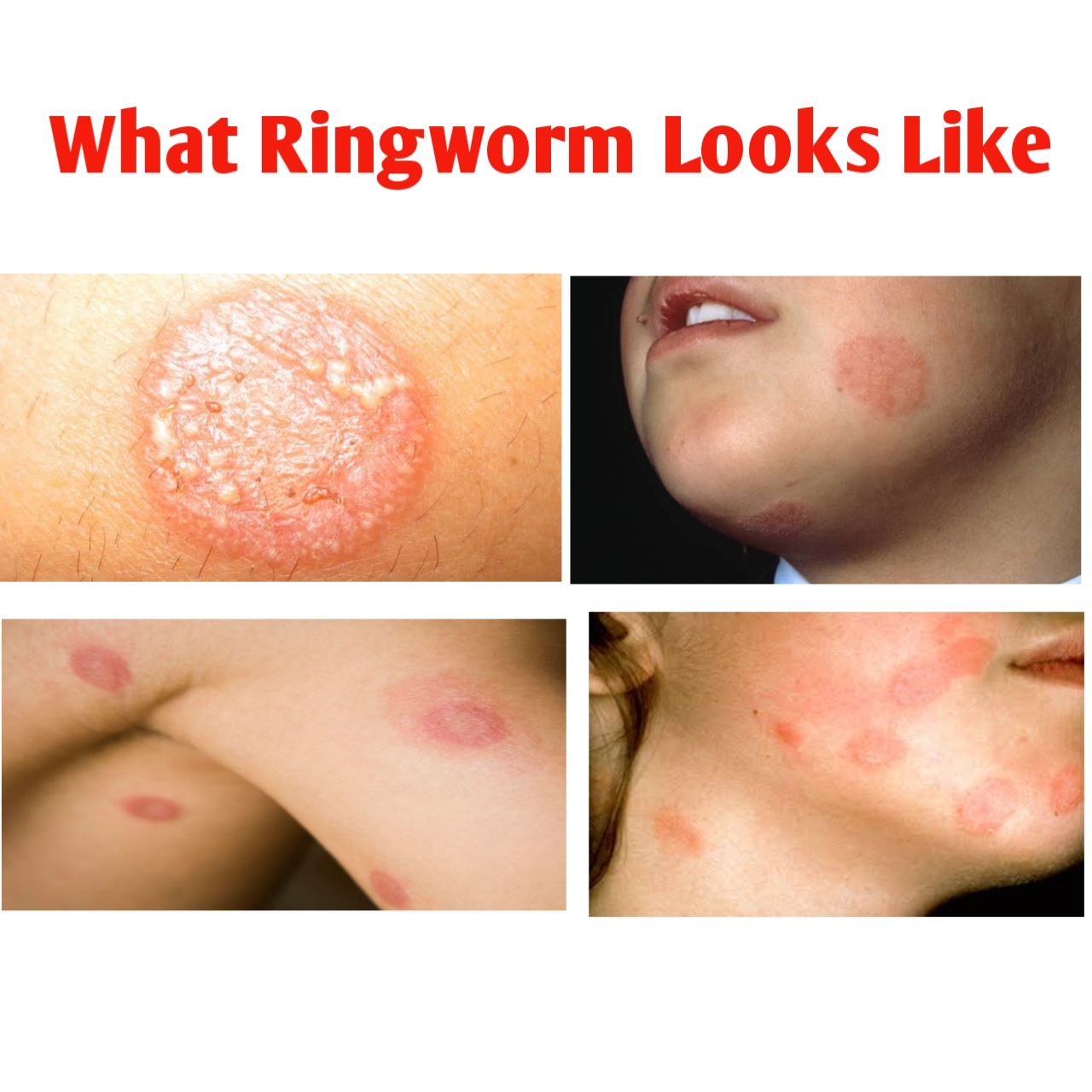
A ringworm infection on the skin is indicated by roundish, flat patches that have a raised, scaly border. On most areas of the skin, it causes ring-shaped patches. What you see, however, changes when ringworm grows on the feet (bottoms and sides), palms, nails, groin, beard area, or scalp. Free to everyone, these materials teach young people about common skin conditions, which can prevent misunderstanding and bullying.
The medical name for ringworm is tinea corporis.
You also need to take a prescribed oral antifungal medication. Unaffected family members may benefit from using the shampoo as well. (It is not due to a worm as its name implies!) There are many types of fungal germs (fungi) and some can infect the skin, nails and hair. This leaflet just deals with scalp ringworm which is sometimes called tinea capitis (from the Latin word caput, meaning head). Tinea capitis (scalp ringworm) is a fungal infection of the scalp and involves both the skin and hair.
body (tinea corporis).
The common cold is caused by viruses spread from person to person through droplets in the air from coughing or sneezing, or contaminated surfaces. Most adults experience a common cold infection about two to three times per year, whether or not they sleep with wet hair. The outlook for ringworm varies depending on where the infection is located and how severe it is. Ringworm on the skin, including athlete's foot and jock itch, usually responds to over-the-counter ringworm creams, lotions, or powders within two to four weeks. Ringworm of the scalp (tinea capitis) is uncommon in adults and mainly seen in toddlers and school-aged children. Instead, you'll find flaky, itchy patches on the scalp that may be red, brown, silvery gray, or yellowish in color.
Medical professional hub
Unlike tinea capitis, which occurs as the result of a fungal infection, psoriasis is a chronic condition that causes rapid skin cell growth. Ringworm is usually specifically used to describe tinea corporis (ringworm of the body) or tinea capitis (ringworm of the scalp). It’s sometimes used to describe tinea infection in other locations, such as tinea cruris (ringworm of the groin). The dermatophytes that cause ringworm are common and contagious. Because children are especially susceptible, tell your children about the risks of sharing hairbrushes and other personal items.
Palestinian women forced to shave their heads due to water shortage in Gaza - Middle East Eye
Palestinian women forced to shave their heads due to water shortage in Gaza.
Posted: Tue, 06 Feb 2024 08:00:00 GMT [source]
Ringworm pictures can help you identify this common infection. Ringworm (dermatophytosis) causes a scaly rash, which may or may not be ring-shaped depending on which part of the body is affected. The infection is not caused by a worm but rather by one of about 40 different fungus types.
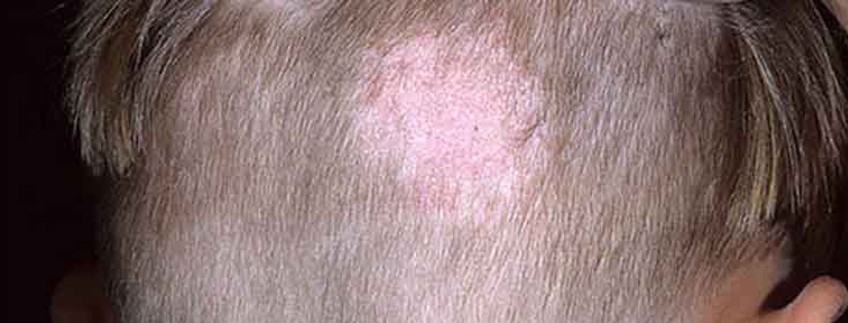
Antifungal creams or shampoos do not clear the infection fully. This is because fungi get into the hair shafts where creams and shampoos cannot reach. They do, however, clear fungi and fungal spores from the hairs and surface of the scalp. Scalp ringworm (tinea capitis) is a very common scalp infection among children throughout the world.
Treating Ringworm of the Scalp
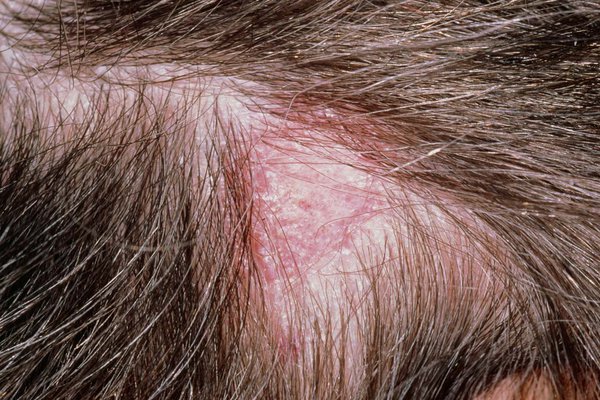
Your doctor may prescribe a medicated shampoo to remove fungus and prevent the spread of infection. The shampoo contains the active antifungal ingredient ketoconazole or selenium sulfide. Medicated shampoo helps prevent the fungus from spreading, but it doesn’t kill ringworm. You must combine this type of treatment with an oral medication. Ringworm of the scalp is not really a worm, but a fungal infection. It gets the name ringworm because the fungus makes circular marks on the skin, often with flat centers and raised borders.
What is tinea capitis?
Athlete's foot (tinea pedis) is caused by the same group of fungi that cause ringworm. But, instead of a ring-shaped rash, you'll get dry, peeling, itchy skin, especially between the toes. Your feet might also experience burning or stinging sensations. The itchy, circular rash usually starts small and expands outward. Its appearance can vary based on its location, such as on the torso, face, hands, scalp, buttocks, arms, and legs. Ringworm can also look different on different skin tones and be harder to spot on darker complexions compared to lighter complexions.
It’s important your child uses their antifungal medication as directed. They may need to use an antifungal medication consistently for at least six weeks. Your child’s infection may look like it’s going away or even gone, but it will come back if the infection isn’t treated completely. Often, tinea capitis gets better on its own after puberty. If you or your child have tinea capitis, you should check everyone else in your household for the infection.
Both the CDC and the FDA warn against treating this common childhood condition on your own with non-prescription treatments. If you suspect you have ringworm, tell your doctor when you first noticed the rash and what symptoms you have experienced. To avoid reinfection or spread, check everyone in the household for infection, including pets. All household members might need treatment to prevent transmitting the infection back and forth.
The lesions of ringworm are unique, and usually allow for a diagnosis simply on physical exam. In addition, your healthcare provider may order a culture or skin scraping of the lesion to confirm the diagnosis. Scalp ringworm can lead to a painful inflammation called kerion. With kerion, you may develop crusty, pus-filled sores, often with hair loss and scarring. Your healthcare provider can diagnose ringworm by looking at your skin and assessing your symptoms.
Some people, including those with dark complexions, are more prone to post-inflammatory hyperpigmentation than others. Therefore, it is important to read the leaflet that comes with the medicine packet for a full list of cautions and possible side-effects before taking any treatment. Use these professionally produced online infographics, posters, and videos to help others find and prevent skin cancer. Find out what may be causing the itch and what can bring relief. These dermatologists' tips tell you how to protect your skin.
Ringworm usually doesn't get better on its own without treatment. The appropriate treatment for ringworm is a class of drugs called antifungals. These come in topical formulations you apply to the skin or oral formulations you take by mouth.
“As soon as you notice hair loss is happening, you should come in,” says Lauren Eckert Ploch, a dermatologist in Aiken, South Carolina. Hair loss, or alopecia, affects more than 80 percent of men and 50 percent of women, and the risk increases with age. Never sleep with a hair dryer on, as this can create hazards such as burned skin or fire. If you sweat a lot during the day, bathe with an antifungal cleansing bar and then reapply your antifungal powder or lotion. Make sure the area is completely dry before putting on a new pair of underwear or socks. Dry, scaly skin that usually begins between the toes can spread to the bottom of the feet, sides, or both.
The scaly area progresses quickly to form the classic ringworm rash, circular in shape with slightly raised edges. As the rash spreads, the ring will grow outward in a symmetrical circular pattern. However, it is considered a common condition and can affect anyone at any age.
The leading antifungal medications for ringworm are griseofulvin (Grifulvin V, Gris-PEG) and terbinafine hydrochloride (Lamisil). Both are oral medications that you take for approximately six weeks. Both have common side effects, including diarrhea and upset stomach. Your doctor may recommend taking these medications with a high-fat food such as peanut butter or ice cream. Eczema and many other skin conditions can resemble ringworm. Unlike ringworm, eczema isn’t contagious and doesn’t spread from one area to another on your body.




No comments:
Post a Comment